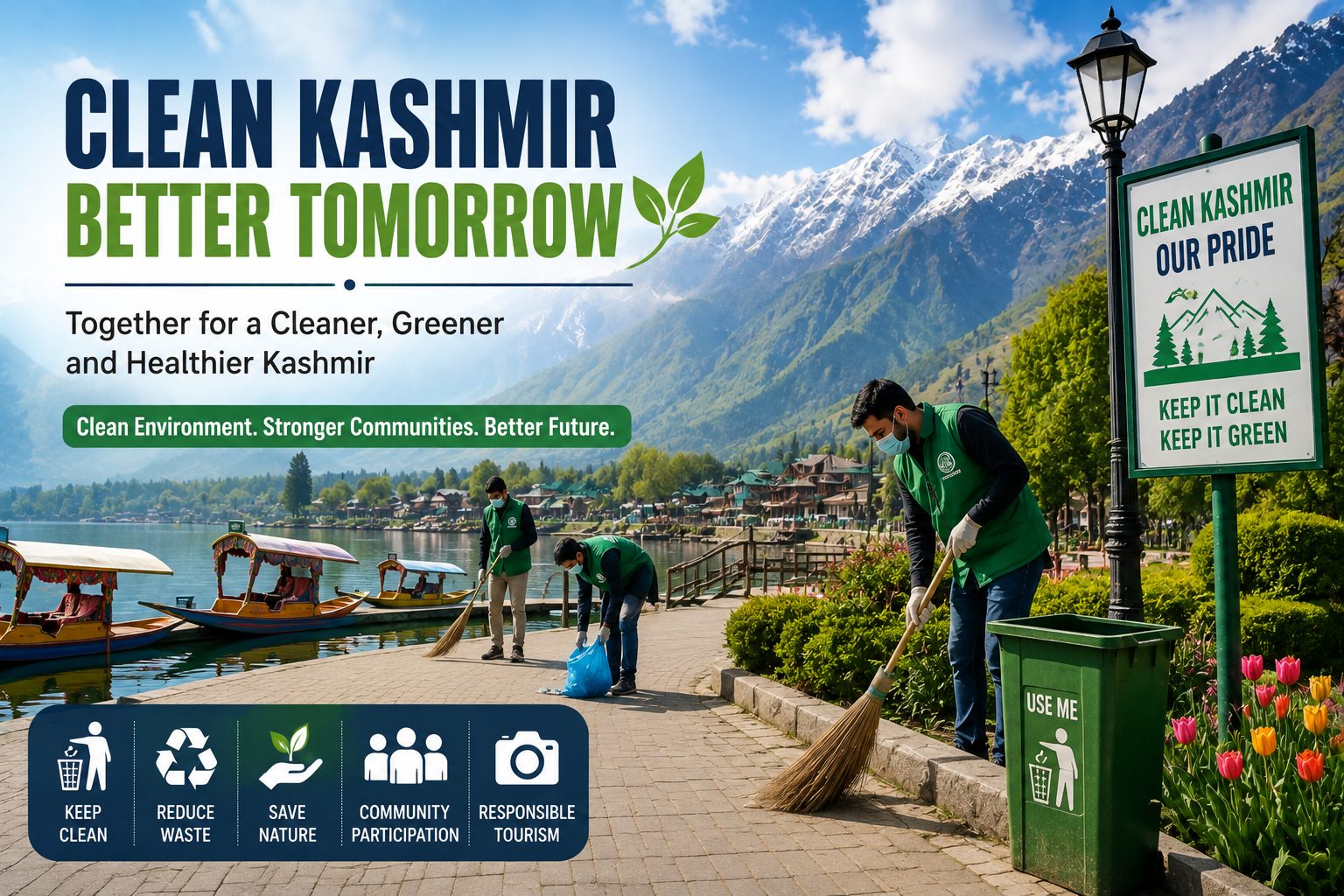
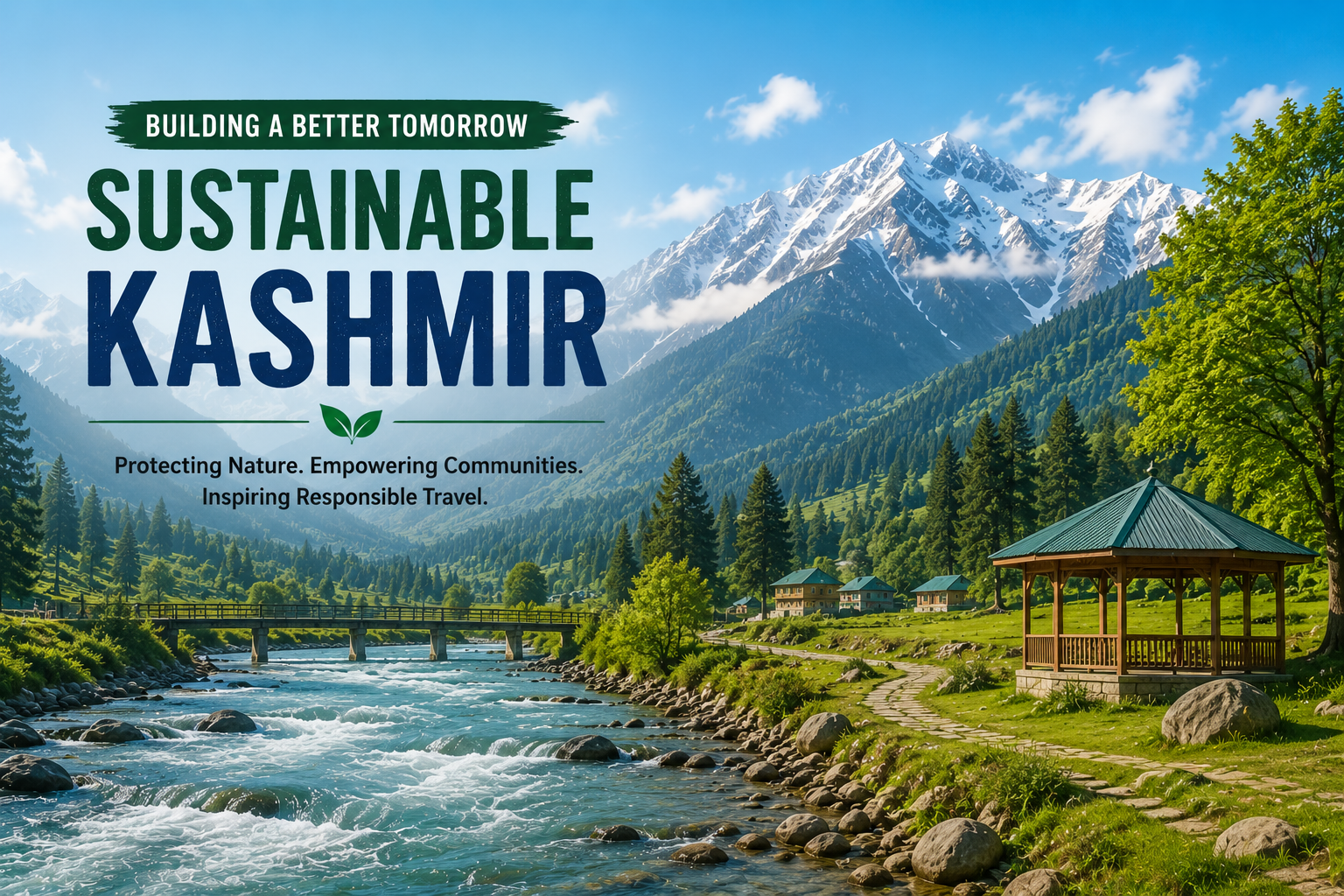
Kashmir’s tourism sector is witnessing a positive transformation as eco-tourism continues to gain popularity across the region. Local communities, tourism stakeholders, and environmental groups are increasingly promoting sustainable travel practices to preserve Kashmir’s breathtaking landscapes while creating new economic opportunities for residents. From the lush meadows of Gulmarg and Pahalgam to the pristine valleys of Sonamarg and the tranquil waters of Dal Lake, travelers are becoming more conscious about protecting the natural beauty that makes Kashmir one of India’s most cherished destinations.
Growing Interest in Sustainable Tourism
Eco-tourism focuses on responsible travel that minimizes environmental impact while supporting local communities. Visitors are choosing nature-based experiences, locally operated accommodations, guided village tours, and eco-friendly activities that contribute to environmental conservation.
Sustainable tourism is gaining significant attention in Kashmir as more travelers seek environmentally responsible and culturally enriching travel experiences. Visitors are becoming increasingly aware of the importance of protecting the region’s breathtaking landscapes, pristine lakes, forests, and wildlife while enjoying its natural beauty. Many tourists now prefer eco-friendly accommodations, locally owned homestays, guided nature walks, and community-based tourism initiatives that directly benefit local residents. This growing interest has encouraged tourism operators and local communities to adopt responsible practices such as reducing plastic waste, conserving natural resources, promoting clean surroundings, and preserving traditional culture. Sustainable tourism also supports local artisans, farmers, and small businesses by encouraging visitors to purchase handmade products and experience authentic Kashmiri cuisine and traditions. As awareness continues to grow, eco-tourism is helping create a balance between tourism development and environmental conservation. This positive approach not only enhances the visitor experience but also ensures that Kashmir’s remarkable natural beauty and cultural heritage remain protected for future generations.
This growing trend has encouraged local entrepreneurs to introduce environmentally responsible tourism services that balance visitor experiences with the protection of natural resources.
Community Participation
Many villages across Kashmir are actively participating in tourism initiatives by offering:
- Homestay accommodations
- Traditional Kashmiri meals
- Cultural experiences
- Guided nature walks
- Local handicraft demonstrations
- Agricultural tourism
These initiatives generate employment while allowing visitors to experience authentic Kashmiri culture.
Environmental Conservation
Several tourism operators are encouraging visitors to:
- Avoid single-use plastics.
- Dispose of waste responsibly.
- Respect wildlife habitats.
- Protect rivers, forests, and lakes.
- Follow designated trekking routes.
- Support eco-friendly accommodations.
Such practices help preserve Kashmir’s fragile ecosystem for future generations.
Benefits for Local Communities
Eco-tourism provides additional income for families involved in hospitality, transportation, handicrafts, agriculture, and local food businesses. Young entrepreneurs are also creating new opportunities through guided tours, photography services, camping experiences, and adventure tourism.
Eco-tourism has become an important source of economic growth and social development for many local communities across Kashmir. As visitor numbers increase, residents benefit from a wide range of employment and business opportunities, including homestays, guesthouses, local transportation, guided tours, handicraft sales, restaurants, and adventure tourism services. Small businesses run by local families gain increased visibility, allowing them to generate stable incomes while showcasing the region’s rich traditions and craftsmanship. Artisans who produce Pashmina shawls, handwoven carpets, walnut wood carvings, and traditional souvenirs also benefit from greater demand created by tourism. In addition to financial opportunities, eco-tourism encourages communities to preserve their cultural heritage, traditional lifestyles, and natural surroundings, recognizing them as valuable assets for sustainable development. Young entrepreneurs are increasingly launching travel-related businesses, photography services, camping experiences, and eco-friendly tour operations, creating new employment opportunities within their hometowns. Women also play a growing role by participating in hospitality services, handicraft production, and local food enterprises. As responsible tourism continues to expand, local communities gain improved infrastructure, better public facilities, and enhanced awareness of environmental conservation. These combined benefits contribute to stronger local economies while ensuring that Kashmir’s unique cultural identity and natural beauty remain protected for future generations.
The growing tourism industry contributes to regional development while encouraging communities to preserve their cultural heritage.
Popular Eco-Tourism Destinations
Several destinations are becoming increasingly popular among environmentally conscious travelers, including:
- Gulmarg
- Pahalgam
- Sonamarg
- Yusmarg
- Doodhpathri
- Gurez Valley
- Bangus Valley
- Dachigam National Park
Each location offers unique natural beauty while promoting responsible tourism practices.
Responsible Travel Tips
Visitors can contribute by:
- Carrying reusable water bottles.
- Avoiding littering.
- Supporting local businesses.
- Respecting local traditions.
- Conserving water and energy.
- Choosing environmentally responsible tour operators.
Small actions by visitors can have a significant positive impact on Kashmir’s environment.
Future Outlook
With increasing awareness about environmental conservation, eco-tourism is expected to play an important role in the future of Kashmir’s tourism industry. Continued cooperation between local communities, tourism businesses, and government authorities can help create sustainable tourism models that benefit both residents and visitors while protecting the region’s extraordinary natural heritage.
The future of eco-tourism in Kashmir appears highly promising as awareness about sustainable travel continues to grow among travelers, local communities, and tourism stakeholders. With increasing interest in environmentally responsible tourism, the region has an excellent opportunity to balance economic development with the preservation of its unique natural landscapes and cultural heritage. Continued investment in eco-friendly infrastructure, improved transportation, responsible waste management, and conservation initiatives can significantly enhance the visitor experience while protecting fragile ecosystems. Local communities are expected to play an even greater role by expanding homestay programs, promoting traditional crafts, offering authentic cultural experiences, and encouraging environmentally friendly tourism practices. Digital promotion and responsible travel campaigns can also help attract domestic and international visitors seeking meaningful and sustainable travel experiences. Government support, community participation, and private-sector collaboration will be essential in creating long-term tourism strategies that benefit both residents and visitors. By protecting forests, rivers, wildlife, and historical sites while encouraging responsible tourism, Kashmir can strengthen its reputation as one of India’s leading eco-tourism destinations. If these efforts continue, the region will not only boost local livelihoods but also preserve its extraordinary beauty and cultural identity for future generations to enjoy.
Conclusion
Eco-tourism represents a promising path for the future of Kashmir’s travel industry. By combining environmental conservation with community participation, the region can continue attracting visitors while preserving its breathtaking landscapes, rich biodiversity, and cultural heritage. Travelers who choose responsible tourism not only enjoy authentic experiences but also contribute to the long-term protection of one of India’s most beautiful destinations. As awareness grows, eco-tourism is expected to strengthen local economies, create employment opportunities, and ensure that Kashmir’s natural treasures remain preserved for generations to come.
Disclaimer
This article is for informational purposes only.