
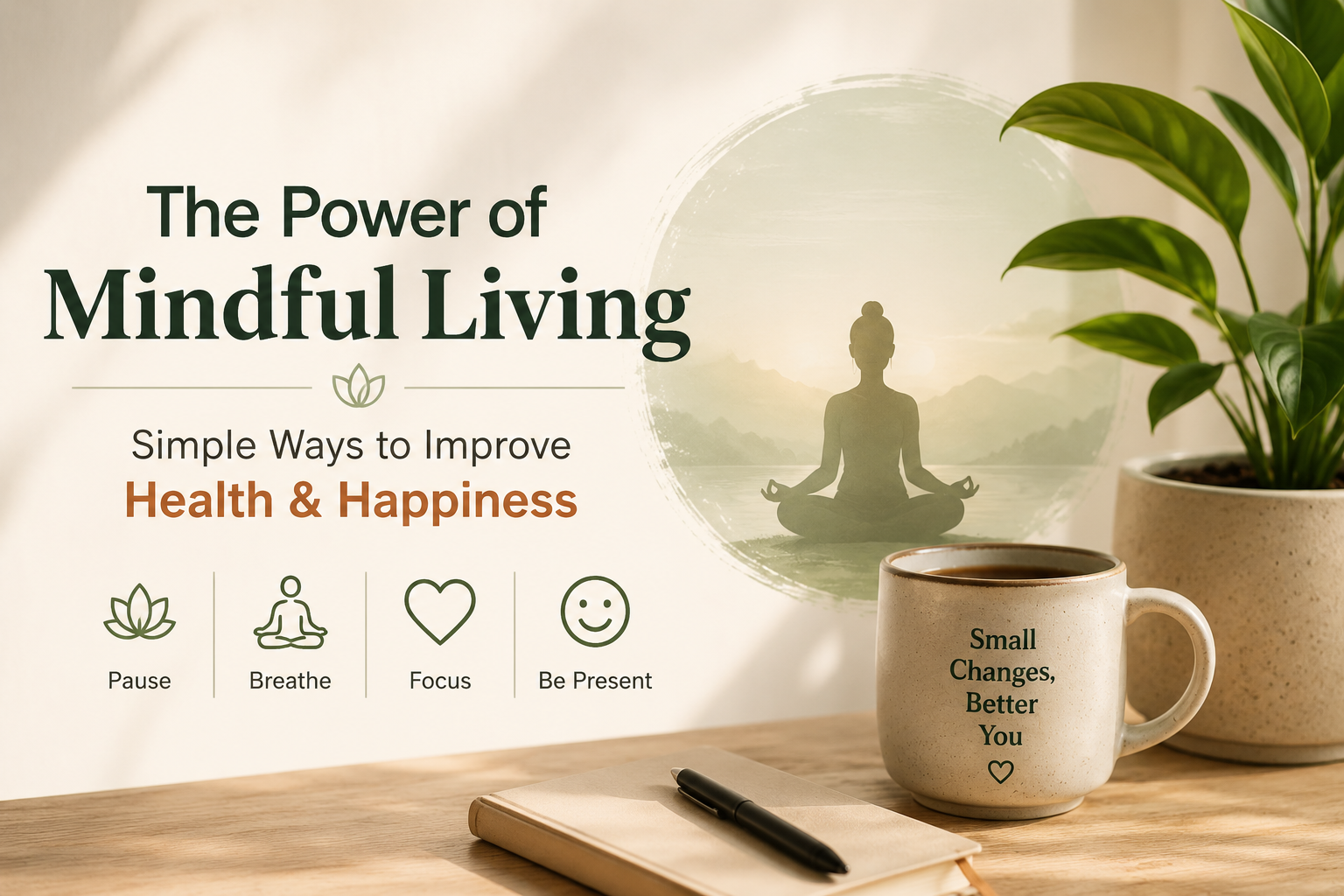
In a fast-paced world filled with constant responsibilities, digital distractions, and busy schedules, mindful living has become an important approach to maintaining balance and improving overall well-being. Mindfulness means being fully present in the moment, paying attention to thoughts, feelings, and surroundings without unnecessary judgment. It helps individuals develop a healthier relationship with themselves and their daily routines.
A mindful lifestyle does not require major changes. Small practices like appreciating daily experiences, focusing on healthy choices, and managing emotions can create positive effects on physical and mental health. By slowing down and becoming more aware, people can reduce stress, improve focus, and enjoy a more meaningful life.
Understanding Mindful Living
Mindful living is about creating awareness in everyday activities. Instead of rushing through tasks, mindfulness encourages people to focus on the present moment. Whether it is eating a meal, having a conversation, exercising, or relaxing, being fully engaged can improve the overall experience.
This approach helps individuals recognize unhealthy patterns and make better decisions. It encourages self-awareness, emotional control, and a deeper understanding of personal needs.
Benefits of Practicing Mindfulness
Mindfulness offers several benefits for both mental and physical health. Regular mindfulness practices can help reduce stress, improve concentration, and promote emotional stability. People who practice mindfulness often develop better ways to handle challenges and maintain a positive outlook.
It can also support healthier lifestyle choices by encouraging awareness about food habits, physical activity, and personal well-being. A calm and focused mind can make it easier to build long-lasting healthy routines.
Practice Mindful Eating
Eating mindfully means paying attention to food choices, flavors, and eating habits. Many people eat quickly or while using electronic devices, which can lead to overeating and poor digestion. Mindful eating encourages individuals to slow down and enjoy their meals.
Choosing nutritious foods, recognizing hunger signals, and appreciating the effort behind meal preparation can create a healthier relationship with food. This simple habit can support better digestion and improved nutrition.
Develop a Morning Wellness Routine
The way a person starts the day can influence their mood and productivity. Creating a positive morning routine can help set a healthy tone for the rest of the day. Simple activities like stretching, drinking water, planning daily goals, or spending a few quiet moments can improve mental clarity.
A consistent morning routine helps create structure and encourages healthier decisions throughout the day.
Manage Stress Through Relaxation Techniques
Stress is a common part of modern life, but managing it effectively is essential for good health. Relaxation techniques such as deep breathing, meditation, journaling, and gentle exercises can help calm the mind.
Taking short breaks during a busy day allows the brain to recharge. Regular stress management practices can improve emotional balance and prevent burnout.
Create a Healthy Digital Balance
Technology has become an important part of daily life, but excessive use can affect mental and physical health. Spending too much time on screens may reduce physical activity, disturb sleep patterns, and increase stress.
A mindful approach to technology involves setting boundaries, taking regular breaks, and focusing on meaningful digital activities. Creating screen-free moments can improve relationships, concentration, and relaxation.
Importance of Staying Connected With Nature
Nature has a positive impact on mental and emotional well-being. Spending time outdoors, walking in green spaces, or simply enjoying fresh air can help reduce stress and improve mood.
Connecting with nature allows people to slow down and appreciate their surroundings. Outdoor activities also encourage physical movement and a healthier lifestyle.
Build Emotional Awareness
Understanding emotions is an important part of mindful living. Instead of ignoring feelings, mindfulness encourages individuals to recognize and manage emotions in a healthy way.
Emotional awareness helps improve communication, relationships, and decision-making. It allows people to respond thoughtfully instead of reacting immediately to stressful situations.
Make Time for Personal Growth
A healthy lifestyle includes continuous learning and personal development. Reading, learning new skills, setting goals, and exploring hobbies can improve confidence and motivation.
Personal growth helps individuals discover their strengths and create a more fulfilling life. Taking small steps toward improvement can lead to long-term positive changes.
Maintain Balance Between Work and Personal Life
Maintaining a balance between professional responsibilities and personal time is essential for overall wellness. Constant work pressure without proper rest can affect physical and mental health.
Setting boundaries, organizing tasks, and making time for relaxation can improve productivity and happiness. A balanced lifestyle allows individuals to enjoy both career success and personal fulfillment.
Conclusion
Mindful living is a powerful way to create a healthier and happier lifestyle. By focusing on the present moment, making conscious choices, and developing positive habits, individuals can improve their physical and emotional well-being.
A balanced life does not come from perfection but from consistent efforts toward better choices. Simple practices like mindful eating, stress management, healthy routines, and meaningful connections can help create a more peaceful and fulfilling life.
Disclaimer
The information provided on this website is intended for general informational and educational purposes only. The content related to lifestyle, health, wellness, fitness, nutrition, and personal development is based on general knowledge and should not be considered professional medical advice, diagnosis, or treatment.
Readers are advised to consult qualified healthcare professionals, nutritionists, or specialists before making significant changes to their diet, exercise routine, or lifestyle, especially if they have existing health concerns or specific medical conditions.
While we aim to provide accurate, reliable, and updated information, we do not guarantee that all content will always be complete, error-free, or suitable for every individual’s personal situation. Lifestyle and health results may vary depending on factors such as age, health condition, environment, and consistency.
The website is not responsible for any decisions, actions, or outcomes resulting from the use of information shared through its articles. Any products, services, recommendations, or opinions mentioned are provided for informational purposes only and should be evaluated independently.
By using this website, you acknowledge that you are responsible for your own health choices and agree to use the information provided at your own discretion. We encourage readers to seek expert guidance whenever necessary for their personal health and wellness needs.